How to Clean Electronic Products with Cleanroom Cloths: Principles, Steps and Precautions
Abstract: Cleanroom cloths, as a professional cleaning tool, are widely used in the maintenance of electronic products due to their dust-free, lint-free and anti-static properties. This article elaborates on the cleaning principles of cleanroom cloths, details the correct steps for cleaning electronic devices, points out common misunderstandings to avoid, and summarizes their applicable scenarios, aiming to provide a scientific and practical guide for safely and efficiently cleaning electronic products.
1. Introduction
With the rapid development of electronic technology, electronic products such as mobile phones, computers, and monitors have become an indispensable part of people’s work and life. However, these devices are prone to accumulate dust, fingerprints, and oil stains during use, which not only affect the appearance but may also affect the performance and service life of the equipment in the long run. Ordinary rags or tissues are likely to scratch the surface of electronic products, leave lint, or even cause secondary pollution. Cleanroom cloths, with their unique material structure and performance, have become the preferred tool for cleaning electronic products. This article will systematically introduce how to use cleanroom cloths to clean electronic products, helping users avoid mistakes and achieve efficient and safe cleaning.
2. Cleaning Principles of Cleanroom Cloths
The excellent cleaning effect of cleanroom cloths is mainly due to their special material structure and professional treatment, which can be summarized into three core principles: ultra-fine fiber physical capture, electrostatic adsorption, and low dust generation.
2.1 Ultra-fine Fiber Physical Capture
Cleanroom cloths are usually made of ultra-fine fibers, with a diameter of only 0.1–0.2μm, which is 1/200 of a human hair. These ultra-fine fibers form a dense mesh structure, and the gaps between the fibers are like “micro traps” that can effectively capture dust particles, oil stains, and other contaminants as small as 0.1μm. In addition, the ultra-fine fibers have a high specific surface area, so their water absorption and dust absorption capacity are 7–10 times that of ordinary cloth, making them able to quickly and thoroughly remove dirt.
2.2 Electrostatic Adsorption (Prevent Secondary Pollution)
Professional cleanroom cloths have undergone anti-static treatment, so their surface carries a weak static charge. This static charge can adsorb charged dust particles in the air, making the dust not easy to fly and fall off, thus avoiding secondary pollution to electronic products. At the same time, the ultra-fine fibers can lock the captured dust firmly, ensuring that the dust will not be re-deposited on the surface of the equipment during the cleaning process.
2.3 Low Dust Generation and High Cleanliness
The edges of cleanroom cloths are usually sealed by laser or ultrasonic technology, which can effectively prevent the edges from shedding debris and lint. In addition, during the production process, cleanroom cloths are cleaned with ultra-pure water to remove impurities and residues, ensuring that they do not bring new pollutants to electronic products during use.
3. Correct Cleaning Steps for Electronic Devices
Using cleanroom cloths to clean electronic products requires following a scientific process to ensure the cleaning effect and avoid damaging the equipment. The specific steps are as follows:
3.1 Preparation Work
-
Power off: Turn off the power of mobile phones, computers, monitors, and other electronic devices to avoid short circuits or damage to internal components caused by liquid penetration.
-
Gloves: Wear anti-static gloves to avoid leaving fingerprints and oil stains on the surface of the equipment, and also to prevent static electricity from damaging sensitive electronic components.
-
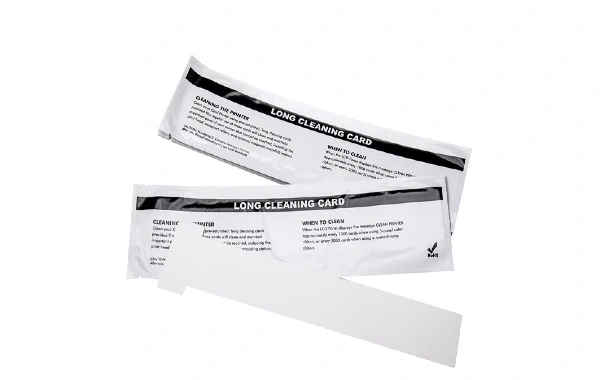
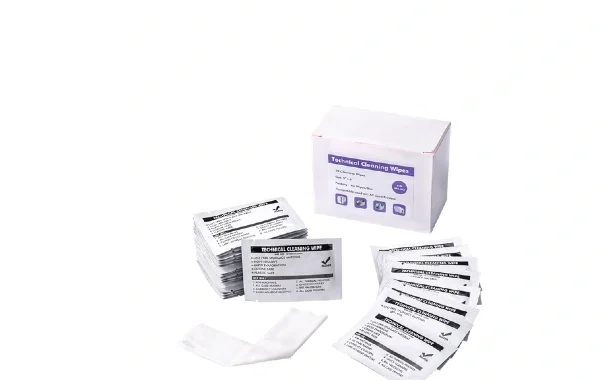
Cleanroom cloth: Choose ultra-fine fiber or polyester cleanroom cloth with low lint to ensure the cleaning effect and avoid leaving fiber residues.
-
Solvent (optional): Use 70% isopropyl alcohol (IPA) or deionized water. Note that the solvent should not be sprayed directly on the screen or the surface of the equipment to prevent it from seeping into the gaps.
3.2 Fold the Cleanroom Cloth (Key Step)
Fold the cleanroom cloth in half, then fold it in half again, and fold the four edges inward to ensure that the edges of the cloth do not touch the surface of the electronic product. Each fold will form 4 clean surfaces, and each surface should be used only once to avoid reusing the contaminated surface and causing secondary pollution.
3.3 Dry Wiping (Removing Floating Dust)
Use the folded cleanroom cloth to wipe gently in a single direction—from the center to the edge of the equipment, and do not wipe back and forth. Wiping back and forth may cause dust particles to scratch the surface of the equipment. At the same time, the force should be light to avoid crushing the screen or scratching the surface coating.
3.4 Wet Wiping (Removing Fingerprints and Oil Stains)
If there are fingerprints, oil stains, or other stubborn dirt on the surface of the equipment, you can use a cleanroom cloth slightly moistened with solvent (do not drip water). Wipe gently in the same direction, do not wipe repeatedly, and after wiping, let the surface air dry naturally or wipe it gently with a dry cleanroom cloth.
3.5 Finishing Work
After cleaning, check the surface of the equipment to ensure that there is no dust, no fingerprints, and no fiber residues. The used cleanroom cloth should be sealed and stored to avoid secondary pollution and facilitate reuse (if applicable).
4. Common Misunderstandings to Avoid
When using cleanroom cloths to clean electronic products, many users will have some wrong operations, which may damage the equipment or affect the cleaning effect. The following are common misunderstandings that must be avoided:
-
❌ Using tissues or ordinary rags: Tissues and ordinary rags have rough fibers, which are easy to scratch the surface of electronic products, leave lint, and cannot effectively capture fine dust.
-
❌ Spraying liquid directly on the equipment: Spraying solvent or water directly on the screen or the surface of the equipment may cause the liquid to seep into the internal gaps, damaging the circuit board and other components.
-
❌ Wiping back and forth: Wiping back and forth will make the dust particles rub on the surface of the equipment, easily scratching the surface coating or screen.
-
❌ Using alcohol with too high concentration (>90%): High-concentration alcohol will corrode the surface coating of electronic products, especially the anti-fingerprint coating on the screen, resulting in damage to the equipment.
5. Applicable Scenarios
Cleanroom cloths are suitable for cleaning various electronic products and precision components, including but not limited to:
-
Screens: Mobile phones, computers, monitors, TVs, and other display screens.
-
Optical components: Camera lenses, glasses, and other optical lenses.
-
Precision electronics: PCBs, chips, circuit boards, and other electronic components.
-
Casings: Keyboards, mice, headphones, and other electronic device casings.
6. Conclusion
Cleanroom cloths achieve efficient, safe, and residue-free cleaning of electronic products through ultra-fine fiber physical dust locking, electrostatic adsorption, and one-way gentle wiping. By following the steps of folding, one-way dry wiping, wet wiping, and air drying, users can effectively remove dust, fingerprints, and oil stains on electronic products, while protecting the surface of the equipment from damage. It is very important to choose high-quality cleanroom cloths and avoid common misunderstandings, which can not only improve the cleaning effect but also extend the service life of electronic products.